The way that music videos are created - distributed, consumed, and the content they contain has drastically changed from the early examples in the early 1900's to the near porn examples the teenage population consumes in the current time.
The early example of a music video was by Bessie Smith with her song St. Louis Blues which was released on the 1st of June 1929. However wasn't shown in theaters until 1932. It was a slow paced video with footage of a orchestra. it was later turned into a 16 minute film as well. this is a very rare occurrence today for a song to be made into a movie. Could you imagine a feature length version of Miley Cyrus's wrecking ball?!
Tony Bennett's Stranger In Paradise was released in 1956. The music video for this was filmed in Hyde Park in London and was shown on TV stations across the UK and US. This medium of distribution was so successful that it paved the way for the creation of TV stations such as MTV and Top Of the Pops. Bennett claimed this was the first example of music videos being broadcast in this way.
The next noteworthy music video was by the Beatles in 1964. A Hard Days Night was hugely influential and has inspired many contemporary artists and the style of this video is still used today.
The Beatles later released Penny Lane in 1967. This was the first time an artist used codes and conventions in their music videos such as dramatic lighting, tilted camera angles and rhythmic editing. This video has lead the way for complex and dramatic music videos that we are used to today.
In 1970 The Jackson Five released I Want You Back. This lead the for dramatic change in the music video industry and lead to "Cross Cutting" from stage to story line. This was revolutionized by the invention and development of the 'Chroma-Key" technique.
Queens Bohemian Rhapsody was released in 1980 and paved the way for a new era of music video. With the introduction of Top Of The Pops which promoted their music and thus created a competition between artists for the first time.
MTV was launched in 1981 and the first video aired was Video killed the Radio Star by The Buggles. This led the way froward for high budget, large production music videos. More editing techniques were developed such as 'Over Laying'. MTV was responsible for the success of artists like Madonna as it played a central role in their marketing.
1982 saw the release of Michael Jackson's Thriller music video. This video was pioneering in the fact that it had a plot and almost was like a mini movie. It was shown in cinemas globally to a massive release and was hugely successful.
1985 A'Ha released Take On Me. This was the first music video to use a animated / live - action combination. This editing technique is called 'Rotoscoping' and took 16 weeks to complete. This was a prime example of how the main source of promotion used to be the videos type as appose to its content.
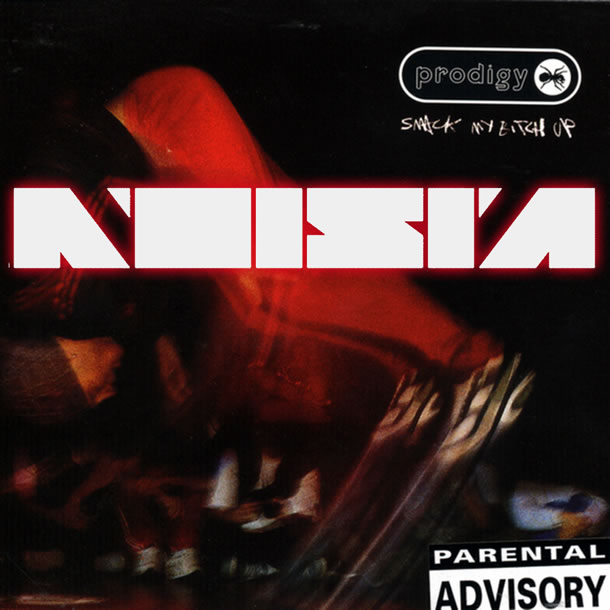
1997 Smack my bitch up was released by the prodigy. this music video was hugely controversial as it is a first person video that we watch do stereotypical male occurrences, such as go out drinking, taking drugs, touching women. it is then revealed at the end of the video that is it a woman who did all of these things, including a very graphic representation of lesbian sex. which was hugely controversial in the 1990's which consequently led to the video being banned from broadcast.
Lady Gaga exploded into the music industry in 2008 with her debut album Fame. Audience's responded to her with a love hate attitude. Lady Gaga's image was something unseen by the music industry, making her name for extravagant entrances - in eggs- and wearing unusual statement clothing items, notably her famous meat dress. She then became the self appointed vigilante for gay rights, regularly attending various gay pride events across the globe.




No comments:
Post a Comment